
Starter diagnostics
Excavator No-Crank Diagnostic Checklist Before Replacing the Starter
Separate battery, cable, control-circuit, starter and mechanical faults before ordering a replacement unit.
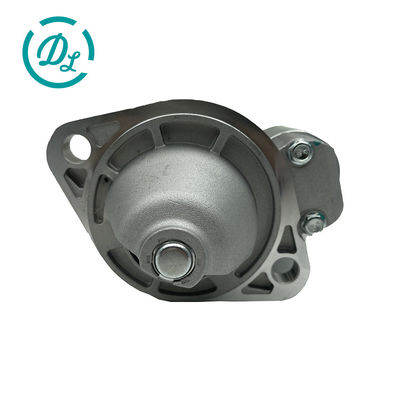
Classify the symptom first
No-crank complaints are easier to diagnose when the sound and behavior are recorded. Complete silence points toward the control or safety circuit. Rapid clicking often indicates voltage collapse. One firm click without rotation can be a power-delivery, solenoid, motor or mechanical problem. A starter that spins without turning the engine suggests an engagement issue.
Stop repeated cranking while diagnosing. Long or repeated attempts create heat and can turn a wiring or fuel problem into a damaged starter.
Check the system before the component
Inspect battery state, terminal condition, ground straps and the positive cable. A voltage reading with no load is not enough; the circuit must be checked during a start request. Compare voltage at the battery and starter main terminal, then check the solenoid trigger terminal while the key is held in START.
- Battery condition and correct series/parallel connection
- Loose, corroded or overheated terminals
- Engine-to-frame and battery ground paths
- Starter relay, fuse, neutral and safety switches
- Voltage reaching the solenoid trigger terminal
Confirm the replacement only after diagnosis
If supply voltage and control voltage are correct but the starter still fails, inspect the drive, pinion and ring gear and use a qualified bench-test procedure. Record the original reference and specification before ordering. Electrical work around a starter involves high current; isolate the battery and follow the machine service manual.